ByJohn A
What Is Tokenization in Blockchain?
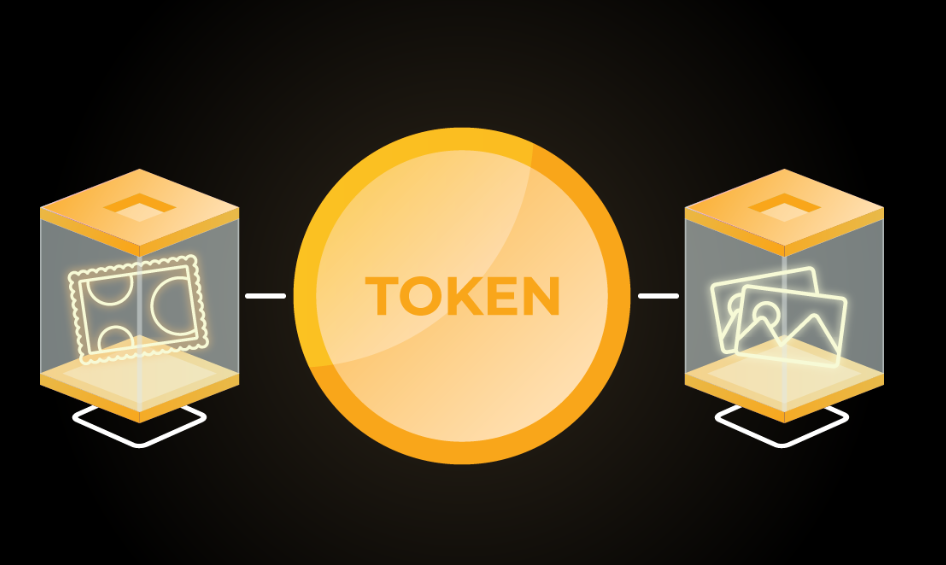
Tokenization in blockchain converts ownership rights or real-world assets into digital tokens on a distributed ledger. Tokens encode asset rights with cryptographic controls, enabling secure transfer and auditable workflows. Ledgers and standard schemas support cross-chain visibility and interoperability. This framework supports fractional ownership and improved liquidity while enabling programmable governance and compliance. As markets evolve, investors must weigh interoperability, regulatory alignment, and risk management to determine how tokenization fits their portfolios.
What Is Tokenization in Blockchain?
Tokenization in blockchain refers to the process of converting ownership rights or real-world assets into digital tokens on a blockchain. It describes a method for representing value digitally, enabling transferability and fractional ownership while preserving verifiability.
The discussion highlights tokenization risks and compliance challenges, emphasizing governance, regulatory alignment, risk assessment, and transparent reporting to sustain investor trust and systemic integrity.
How Tokenization Works: Assets, Tokens, and Ledgers
How does the process unfold when assets are converted into digital tokens, issued on a distributed ledger, and tracked across a shared record?
Tokenization mechanics define how ownership is represented, transferred, and secured through cryptographic controls.
Tokens embody rights on a ledger, enabling programmable, auditable workflows.
Ledger interoperability ensures cross-chain visibility, while standard schemas support consistent, interoperable asset representation and settlement.
Token Types and Use Cases: Equity, Asset-Backed, and Hybrid Tokens
Equity, asset-backed, and hybrid tokens represent distinct classes of digital assets defined by their underlying rights, collateral, and governance features.
Equity tokens confer ownership and voting rights, asset-backed tokens mirror tangible values, and hybrid tokens combine equity with commodity or debt elements.
Tokenization regulation shapes issuance and custody, while investor benefits include fractional ownership, tradability, and streamlined compliance, depending on the token class.
Benefits, Risks, and Regulatory Considerations for Investors
Investors weigh benefits such as fractional ownership, enhanced liquidity, and programmable compliance against risks including valuation volatility, governance complexity, and custody vulnerabilities.
The analysis highlights misunderstood risks and regulatory differences across jurisdictions, affecting due diligence, custody design, and disclosure practices.
Tokenized assets may require specialized custodians and interoperable standards, while ongoing compliance demands transparency, risk reporting, and adaptive governance to sustain investor confidence and market integrity.
Frequently Asked Questions
How Is Tokenization Changing Traditional Asset Ownership Models?
Tokenization enables governance of assets through digital tokens, enabling Asset fractionalization and cross-border liquidity; governance structures influence ownership rights, compliance, and custody. This shifts traditional models toward programmatic control, democratizing access while preserving risk management and regulatory alignment for stakeholders.
What Skills Are Needed to Build Tokenization Platforms?
Tokenization platforms demand rigorous design and security discipline; the required skills include smart contract development, cryptography, data modeling, regulatory awareness, and scalable architecture. They vigilantly orchestrate user autonomy while ensuring compliance, performance, and auditable, tamper-resistant tokenized assets.
How Do Cross-Border Token Transfers Work Legally?
Cross-border transfers rely on tokenization legality frameworks and compliant custody, ensuring KYC/AML adherence, licensing, and sanctions screening; lawful tokenization enables seamless cross-border transfers while preserving rights, requiring jurisdictional consistency, regulatory disclosures, and robust dispute resolution mechanisms.
Can Tokenization Improve Liquidity for Illiquid Assets?
Tokenization can improve liquidity for illiquid assets by converting ownership into tradable digital tokens, enabling fractional ownership, faster settlement, and broader market access, thereby increasing liquidity and reducing barriers for investors seeking flexible exposure.
What Are Common Challenges in Token Governance and Voting?
Token governance faces voting challenges, compliance hurdles, and platform scalability concerns; governance frameworks must balance participation with security, enforceable rules, and scalable infrastructure to sustain transparent decision-making while preserving user autonomy and regulatory alignment.
Conclusion
In the harbor of commerce, tokenization acts as a masterful navigator, charting unseen currents between assets and holders. A ship’s deeds—ownership, risk, rights—are rewritten as digital sails, crisscrossing ledgers with cryptographic knots. Each token becomes a beacon, signaling verifiable ownership and transferable value across shores and licenses. Yet stormy regulatory tempests and governance reefs demand vigilance. When sails are properly reefed, markets gain liquidity, transparency, and resilience; when misread, ships founder in ambiguity and regulatory shoals.